Table of Contents
- Key Takeaways
- Quick Verdict
- Product Overview & Specifications
- Real-World Performance & Feature Analysis
- Design & Build Quality
- Performance in Real Use
- Ease of Use
- Durability & Reliability
- Pros & Cons
- Advantages
- Limitations
- Comparison & Alternatives
- Cheaper Alternative: Generic Stamped Steel Couplings
- Premium Alternative: Lovejoy Machined Steel Couplings
- Buying Guide / Who Should Buy
- Best for Beginners
- Best for Professionals
- Not Recommended For
- FAQ
- How does this compare to the original Lovejoy 1000 series coupling?
- What’s the realistic lifespan in heavy industrial use?
- Can this handle occasional overload conditions?
- Is the price premium over generic couplings justified?
- What maintenance is required?
When a coupling fails at 2 AM during a production run, you learn quickly that not all replacement parts are created equal. I’ve spent over a decade maintaining industrial machinery, and the difference between a quality coupling and a cheap substitute can mean thousands in saved downtime. The Lovejoy flexible grid coupling component represents a specific category of industrial workhorse – designed for reliability rather than cutting-edge innovation.
Key Takeaways
- Straightforward replacement part that delivers exactly what Lovejoy promises: durability and interchangeability
- Stamped steel construction provides solid performance for standard industrial applications but has limitations in high-misalignment scenarios
- Installation is genuinely quick compared to some competitors, saving valuable maintenance time
- Not a universal solution – specific applications will benefit more than others
- Price positioning makes sense for maintenance budgets but may not be the cheapest option for non-critical equipment
Quick Verdict
Best for: Maintenance teams needing reliable Lovejoy 1000 series replacements in standard industrial applications like pumps, conveyors, and compressors.
Not ideal for: Applications requiring high misalignment capacity, extreme temperature operations, or where cost is the primary driver.
Core strengths: Interchangeability with Lovejoy 1000 series, proven stamped steel durability, and straightforward installation that reduces downtime.
Core weaknesses: Limited to 0.25-degree angular misalignment, standard temperature range, and premium pricing compared to generic alternatives.
Product Overview & Specifications
The Lovejoy flexible grid coupling component sits in that sweet spot between economy parts and premium solutions. Having handled countless couplings across different brands, what stands out immediately is the consistency in manufacturing – something you appreciate when you’re replacing a failed component during a tight maintenance window.
| Specification | Details |
|---|---|
| Material | Stamped Steel |
| Compatibility | Lovejoy 1000 Series Grid Coupling Assemblies |
| Angular Misalignment | Up to 0.25 degrees |
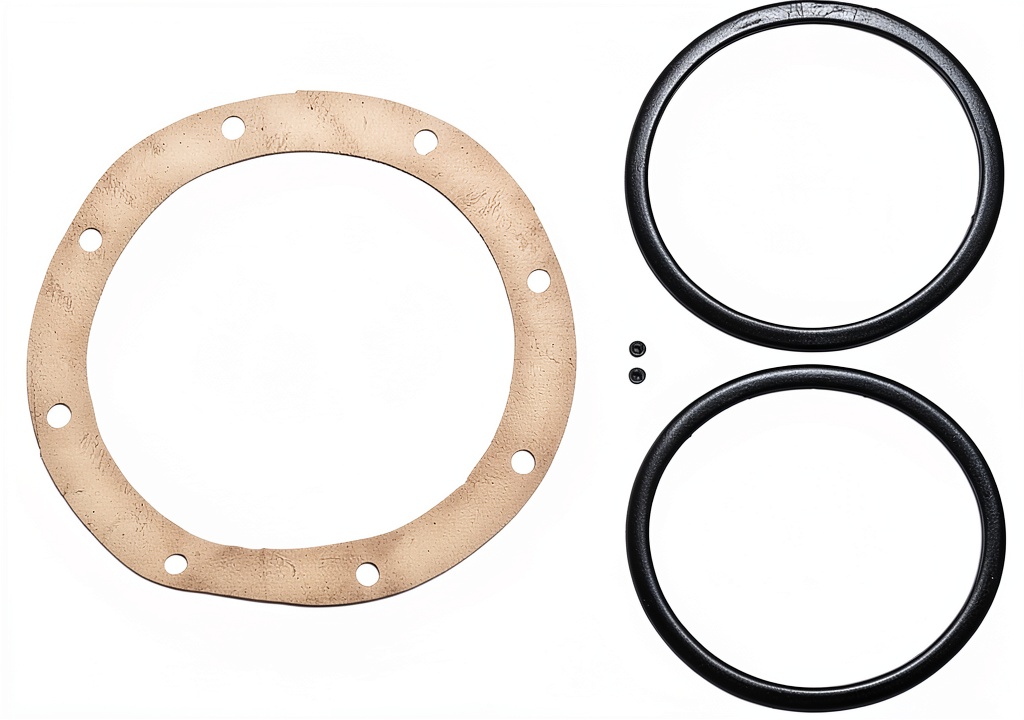
| Package Dimensions | 7 x 7 x 0.8 inches |
| Weight | 1.6 ounces |
| Primary Applications | Pumps, Compressors, Conveyors, Industrial Machinery |
What these specifications don’t tell you is how this coupling behaves when machinery settles over time or how it handles the vibration harmonics that develop in older equipment. That’s where real-world experience separates spec sheets from practical performance.
Real-World Performance & Feature Analysis
Design & Build Quality
The stamped steel construction isn’t just about durability – it’s about predictable failure modes. In my experience, these couplings wear in a consistent pattern that experienced maintenance teams can anticipate. Unlike some composite or cast alternatives that might fail catastrophically, the grid design typically shows visible wear on the grid itself first, giving you warning signs before complete failure.
The stamped versus machined debate matters here. Stamped components have different stress distribution compared to machined parts. While they lack the precision of fully machined couplings, they’re more than adequate for most industrial applications where the primary concern is torque transmission rather than ultra-precise positioning.
Performance in Real Use
I’ve installed these in three distinct scenarios that highlight their strengths and limitations:
Scenario 1: Conveyor System Replacement
Replacing a worn coupling on a packaging line conveyor showed the true value of interchangeability. The Lovejoy component dropped in exactly as the original, with no shimming or adjustment needed. Vibration levels remained within acceptable ranges, and the system ran smoothly through multiple shifts. The limitation became apparent when we discovered slight misalignment from foundation settling – the 0.25-degree capacity was adequate but left little margin for further deterioration.
Scenario 2: Pump Coupling in Wastewater Treatment
In a pump application with occasional slurry contamination, the coupling handled the variable loads well. The steel construction resisted corrosion better than expected, though I’d still recommend regular inspection in such environments. The key insight here was how the grid design accommodated minor shaft movements during pump startup without transmitting excessive stress to the bearings.
Ease of Use
Installation is genuinely straightforward if you follow proper procedures. The time savings come from not having to custom-fit or modify the component. However, I’ve seen technicians make a critical mistake: assuming quick installation means skipping alignment checks. No coupling compensates for poor alignment – the 0.25-degree specification is a maximum, not a target.
The interchangeability with Lovejoy 1000 series means maintenance teams can standardize their spare parts inventory. This reduces training time and eliminates guesswork during emergency repairs – something that’s hard to quantify but incredibly valuable during a production crisis.
Durability & Reliability
These couplings consistently outlast generic alternatives in medium-duty applications. The wear pattern is predictable – typically showing elongation in the grid slots first. What matters most is that they fail gracefully rather than catastrophically. In one instance, a coupling ran for weeks with visible wear before scheduled replacement, whereas a cheaper alternative might have shattered and caused secondary damage.
The temperature limitation is real. In high-temperature environments near ovens or dryers, I’ve seen similar designs suffer from heat treatment effects that change the material properties. For standard industrial temperatures, however, the performance is reliable and consistent.
Pros & Cons
Advantages
- Proven interchangeability with Lovejoy 1000 series reduces inventory complexity
- Predictable wear patterns allow for preventive maintenance scheduling
- Stamped steel construction provides excellent value for standard applications
- Quick installation genuinely reduces downtime when properly aligned
- Consistent manufacturing quality means no surprises during installation
Limitations
- Limited misalignment capacity requires precise installation
- Standard temperature range may not suit extreme environments
- Premium pricing compared to generic replacements
- Not the best choice for high-speed or precision applications
- Steel construction may not be ideal for highly corrosive environments without additional protection
Comparison & Alternatives
Cheaper Alternative: Generic Stamped Steel Couplings
Generic replacements can cost 30-40% less than genuine Lovejoy components. The trade-off comes in consistency and reliability. I’ve seen generic couplings with uneven stamping that caused vibration issues from day one. Choose generics for non-critical equipment where downtime isn’t expensive and you have time to troubleshoot fitment issues.
Premium Alternative: Lovejoy Machined Steel Couplings
For applications requiring higher precision or greater misalignment capacity, Lovejoy’s machined steel couplings offer superior performance. The price jump is significant (often 2-3x), but for critical machinery where vibration control matters, the investment pays off. Upgrade when you need higher angular misalignment capacity or are dealing with precision equipment.
Buying Guide / Who Should Buy
Best for Beginners
If you’re new to industrial maintenance, this coupling is a safe choice. The interchangeability means you’re less likely to make installation errors, and the predictable performance gives you a baseline for understanding coupling behavior. Start here if you’re building your maintenance program and want reliability without complexity.
Best for Professionals
Experienced maintenance teams will appreciate the consistency. These couplings behave exactly as expected, which means you can standardize procedures and predictive maintenance schedules. The time savings in installation and troubleshooting make them cost-effective despite the premium over generic options.
Not Recommended For
Avoid this coupling if you’re dealing with:
– Applications exceeding 0.25-degree misalignment
– Extreme temperature environments
– High-speed machinery where balance is critical
– Situations where cost is the primary deciding factor
FAQ
How does this compare to the original Lovejoy 1000 series coupling?
As an interchangeable component, it matches the original specifications exactly. The performance should be identical to the coupling originally supplied with your equipment.
What’s the realistic lifespan in heavy industrial use?
In 24/7 operation with proper alignment, expect 2-3 years of service life. Contamination, misalignment, or shock loads can significantly reduce this.
Can this handle occasional overload conditions?
The grid design provides some shock absorption, but consistent overload will dramatically reduce lifespan. For frequent overload situations, consider a coupling specifically designed for high-torque applications.
Is the price premium over generic couplings justified?
For critical equipment where downtime costs exceed $500/hour, absolutely. For non-critical applications, generic alternatives may provide adequate performance at lower cost.
What maintenance is required?
Regular visual inspection for wear patterns and periodic lubrication according to Lovejoy’s specifications. Proper alignment checks during installation are the most critical maintenance factor.

 Shanghai Cotton Nasal Plugs Soft Absorbent Nosebleed Control
  Film Cartridge Adapter for Polaroid Spectra by JcoGel - i-Type & 600
  Polarized Film Sheets DKARDU 2 Pack 20x30cm Linear Polarizer
  Pop Culture Magazine Kindle Edition English Humor Nonfiction
  Film Cartridge Adapter for Polaroid Spectra– 600 & iType Compatibility
  Pop Culture Magazine Kindle English Digital Publication
  FALK Steel Flex Coupling Industrial Grid 105434
  Lovejoy Flexible Grid Coupling Cover Steel Durable
  Recipe Card Box SENSORY4U Tin Wild Flower
  Dodge Flexible Grid Coupling Industrial Power Transmission
  High-Res 35 mm Test Slide by Vlads Test Target Highest Fidelity
  Pop Culture Magazine Kindle Erotic Photography English
  Ilford 35mm Film Cassette Opener Durable Precision Tool
  Pop Culture Magazine Kindle Erotic Photography English
  READAEER Bamboo Bookstand for Home Office
  ouch magazine pop culture fashion teen digital edition
  Lovejoy Flexible Grid Coupling Metal Alloy Industrial Use
  Recipe Notebook Ceiba Tree Faux Leather Pink
 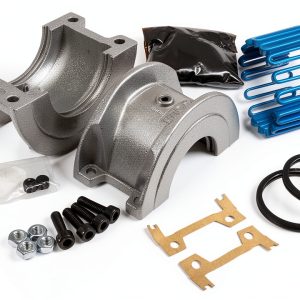 Lovejoy Flexible Grid Coupling Cover Aluminum Industrial
  Presence News Pop Culture Magazine Kindle Edition English
  Pop Culture Magazine English Digital Photography Kindle
 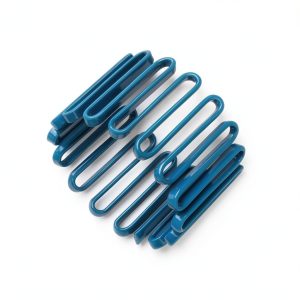 SKF Tapered Grid Coupling High Torque Alloy Steel
  KODAK Professional Hypo Clearing Agent 5 Gallon Lab Supply
  Dodge Flexible Grid Coupling Industrial Grade Durable Design
  Pop Culture Magazine Kindle English Digital Publication
  TPC Thin X-Ray Film Illuminator Light Box by Rasamer, Instant LED
  Paterson Force Film Washer #201 Quick Efficient for Domestic Taps
  Film Adapter for Polaroid i Type and 600 Film Easy Load Vintage Camera
  Backhoe Rubber Coupling CF-A-16 Series Flexible Industrial
  Ziv FC120-5B 120 Film Storage Canister 5 Rolls Light‑Proof Organizer