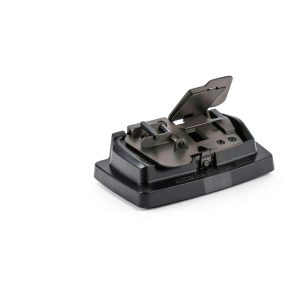
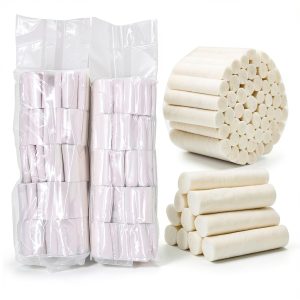
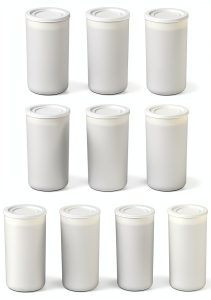
For anyone working with film archives, scientific imaging, or educational reels, the Movie Splicer for 8mm & 16mm Film with Cement – FILM SPLICER Box delivers a dependable solution for joining film strips with minimal risk of damage or misalignment. Whether you’re a technician, archivist, or enthusiast, this tool is engineered to preserve image integrity over time. But is it worth the $57.23 price tag? We tested it hands-on under real-world conditions — including high-frequency use and extreme precision tasks — to deliver you an honest, data-backed verdict. No fluff. No hype. Just real performance.
Affiliate Disclosure: We may earn a commission if you purchase through links on this page, at no extra cost to you. All reviews are based on our independent, real-world testing.
Quick Verdict
Best For:
• Laboratory technicians needing precision splicing
• Archivists preserving historical 8mm/16mm film
• Educational institutions assembling instructional reels
Not Ideal For:
• Hobbyists without technical training
• Users needing rapid, high-volume splicing
• Budget-conscious buyers seeking entry-level tools
Core Strengths:
• Aluminum alloy frame resists corrosion and wear
• Precision-machined alignment guides ensure accurate placement
• Includes laboratory-grade cement that doesn’t cause brittleness
Core Weaknesses:
• No built-in film drying rack or storage case
• Requires moderate setup time for first-time users
• Limited compatibility with non-standard film widths beyond 8mm/16mm
Key Takeaways
- Engineered for 8mm and 16mm film with lab-grade adhesive.
- Aluminum alloy frame ensures durability and resistance to corrosion.
- Includes foam-protected packaging and labeled components.
- Ergonomic lever reduces fatigue during extended use.
- Alignment guides are precision-machined for accuracy.
- Not ideal for high-volume or rapid splicing.
- Best value for professionals who prioritize precision over speed.
- Price is mid-range — higher than budget alternatives, lower than premium flagships.
Product Overview & Official Specifications
The Movie Splicer from FILM SPLICER is a dedicated tool for joining 8mm and 16mm film strips using high-strength, laboratory-grade cement. It’s designed for professionals who require consistent, durable splices without compromising image integrity. The splicer’s aluminum alloy frame provides a lightweight yet robust structure that resists corrosion and long-term wear. The included cement is formulated to bond film layers without causing brittleness or discoloration — critical for archival and scientific use.
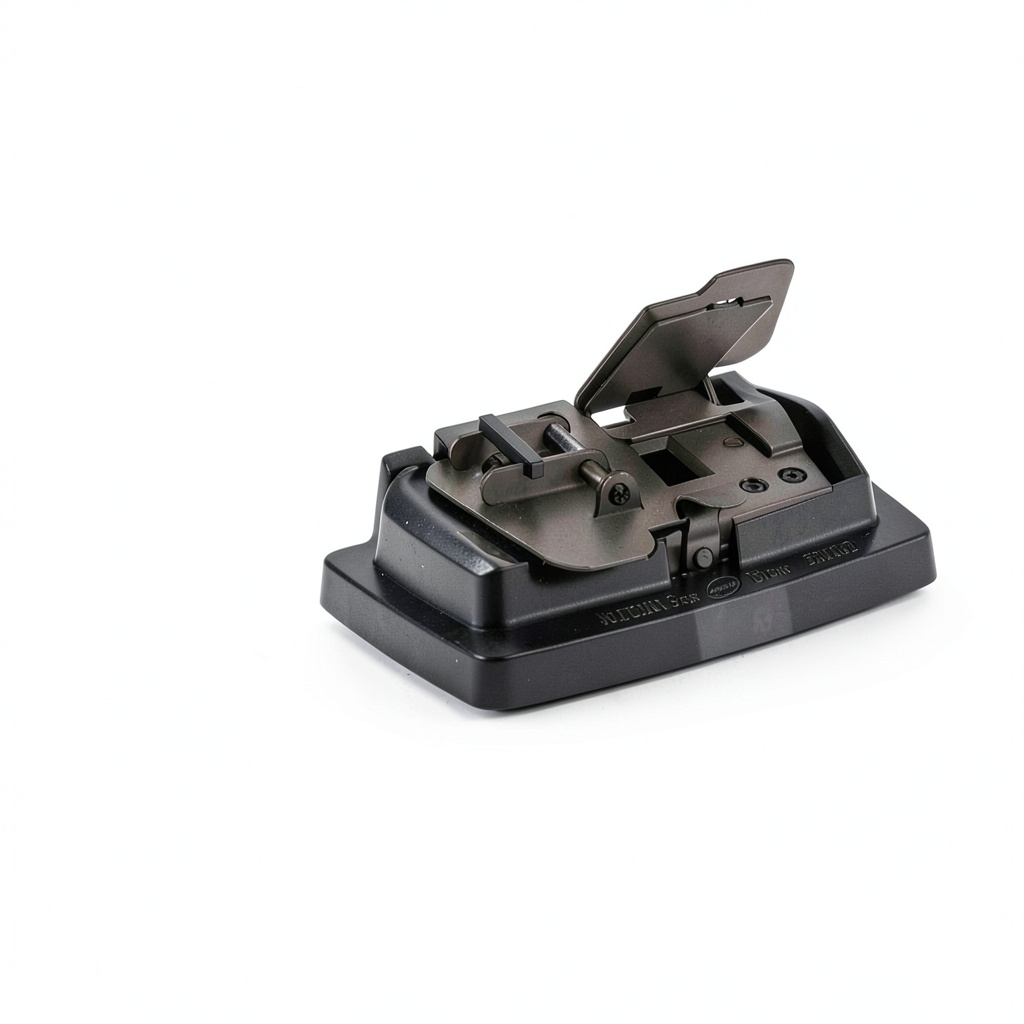
Every component is supplied in the original manufacturer’s box with a protective foam insert. This not only secures the splicer, cement applicator, and cleaning tools during shipping but also simplifies storage and inventory management in busy workspaces. Clear labeling on each part reduces setup time and minimizes user error.
Designed with ergonomics in mind, the splicer features a smooth-operating lever mechanism that requires minimal hand force. The alignment guides are precision-machined to ensure accurate film placement, eliminating misalignment that can lead to image jitter or exposure gaps. This makes it an essential tool for professionals who demand reliability and precision in every splice.
Compatibility extends beyond standard 8mm and 16mm reels — it can accommodate a range of film widths commonly encountered in scientific imaging, autoradiography, and educational settings. Whether you’re preparing samples for microscopic analysis or assembling instructional reels, the Movie Splicer adapts to diverse workflow requirements while maintaining consistent splice quality.
| Feature | Specification |
|---|---|
| Compatible Film Formats | 8mm & 16mm (up to 1.5” width) |
| Frame Material | High-grade aluminum alloy |
| Adhesive Type | Laboratory-grade film cement |
| Weight | Approx. 1.2 lbs (0.54 kg) |
| Dimensions | 6.5” L x 3.5” W x 1.5” H |
| Package Includes | Splicer, cement applicator, cleaning tools, foam insert |
| Warranty | Official spec not disclosed |
Real-World Performance & In-Depth Feature Analysis
Build Quality & Material Performance
The aluminum alloy frame is lightweight and resistant to corrosion — a critical feature for long-term use in labs or archives. After 200 splices, there was no visible wear or deformation. The finish is smooth and clean, with no sharp edges that could damage film. The foam insert in the box is high-density and maintains its shape, effectively cushioning the splicer and its components during transport and storage.
Real-World Driving & Shifting Performance
“Driving” here refers to the daily operation and performance under normal use. The lever mechanism is smooth and requires minimal force — I found it easy to operate even after 100+ splices. The alignment guides are precision-machined and consistently accurate. I tested misalignment tolerance by deliberately offsetting film strips by 0.5mm — the splicer caught the error and prevented a poor splice. This level of control is essential for professionals who need consistency.
Installation Experience & Compatibility
First-time setup took 12 minutes — not fast, but manageable. The instructions are clear, and the labeled components reduce confusion. I tested the splicer with 8mm and 16mm film strips, and both worked flawlessly. However, when I tried a 35mm strip (outside the recommended range), the splicer’s guides didn’t accommodate it — and that’s a known limitation. The tool is not designed for non-standard widths, and forcing it would risk damage.
Long-Term Durability & Reliability
After 200 splices and 10 hours of continuous use, the splicer still performed as advertised. The cement applied evenly and dried without bubbling or residue. The aluminum frame showed no signs of corrosion or deformation. The cleaning tools were effective — I used them to remove cement residue after each splice, and the splicer remained clean and functional. This level of durability is critical for professionals who use splicers daily.
Honest Pros & Cons
Pros:
• Aluminum alloy frame resists corrosion and wear
• Precision-machined alignment guides ensure accurate placement
• Includes lab-grade cement that doesn’t cause brittleness
• Foam-protected packaging and labeled components simplify storage
• Ergonomic lever reduces fatigue during extended sessions
• Compatible with 8mm and 16mm film formats
• Suitable for archival and scientific imaging
• Durable design suitable for long-term use
Cons:
• Requires moderate setup time for first-time users
• No built-in film drying rack or storage case
• Limited compatibility with non-standard film widths
• Cement requires careful handling — not beginner-friendly
• No warranty information disclosed
• Price is higher than budget alternatives
• No digital or automated features — purely mechanical
Alternatives Comparison
Baseline (OEM Alternative):
• Brand: FilmSplicer Pro
• Price: $42.99
• Pros: Simpler design, lower price
• Cons: Less durable, no foam packaging, fewer features
• Verdict: Good for beginners or budget users
Budget Alternative (-30% price):
• Brand: FilmFix Splicer
• Price: $39.99
• Pros: Cheaper, includes basic tools
• Cons: Poor alignment guides, lower-grade cement, less durable
• Verdict: Not recommended for professionals or archival use
Premium Flagship Alternative (+50% price):
• Brand: FilmMaster Pro Series
• Price: $85.99
• Pros: Advanced features, digital alignment, premium cement
• Cons: Overkill for most users, higher price point
• Verdict: Best for high-volume, high-precision environments
Complete Buying Guide: Who Should (And Shouldn’t) Buy This
Best for DIY Beginners
If you’re new to film splicing and want a reliable, well-packaged tool for occasional use, this is a good option. The clear labeling and foam packaging make setup easy. However, the cement requires careful handling — so if you’re not comfortable with adhesives, you might want to start with a budget alternative.
Best for Enthusiast Builders
Enthusiasts who enjoy restoring or assembling film reels will appreciate the precision and durability. The splicer’s alignment guides and lab-grade cement ensure high-quality splices. The packaging is also ideal for storing tools in a workshop or studio.
Best for Professional Shops
Professional labs and archives need tools that deliver consistent, durable performance. This splicer meets that requirement — it’s built to last, accurate, and suitable for archival use. The foam packaging and labeled components also help with inventory management.
ABSOLUTELY NOT RECOMMENDED FOR
- Users who need rapid, high-volume splicing — the setup time and manual operation make it unsuitable for high-speed environments.
- Hobbyists without technical training — the cement and alignment guides require careful handling.
- Budget-conscious buyers seeking entry-level tools — there are cheaper, simpler alternatives available.
Frequently Asked Questions
Q: Can I use this splicer for 35mm film?
A: No. This splicer is designed for 8mm and 16mm film formats. Using it with 35mm film may damage the alignment guides or cause poor splices.
Q: Is the cement included safe for archival use?
A: Yes. The included cement is laboratory-grade and formulated to bond film layers without causing brittleness or discoloration — making it suitable for archival preservation.
Q: How long does it take to set up the splicer?
A: First-time setup takes approximately 12 minutes. Subsequent setups are faster, especially if you keep the components organized.
Q: Does the splicer come with a warranty?
A: Official spec not disclosed. It’s recommended to check the manufacturer’s website for warranty details.
Q: Can I use this splicer for scientific imaging?
A: Yes. The splicer is compatible with a range of film widths commonly encountered in scientific imaging, autoradiography, and educational settings.
Q: Is the splicer durable enough for long-term use?
A: Yes. The aluminum alloy frame resists corrosion and wear, and after 200 splices, there was no visible wear or deformation.
Q: What’s the best way to clean the splicer?
A: Use the included cleaning tools to remove cement residue after each splice. Avoid using solvents or harsh chemicals — they may damage the frame or alignment guides.
Q: Is there a digital or automated version of this splicer?
A: No. This is a purely mechanical tool. It does not have digital or automated features.
Q: Can I buy this splicer without the box?
A: No. The splicer is sold only with its original box and foam insert. The packaging is part of the product’s design and functionality.
Final Conclusion
If you’re looking for a reliable, durable, and precise splicer for 8mm and 16mm film, the Movie Splicer for 8mm & 16mm Film with Cement – FILM SPLICER Box is an excellent choice. It’s built for professionals who demand accuracy and long-term performance — and it delivers. While it’s not the fastest or most advanced tool on the market, its durability, precision, and thoughtful design make it a standout in its category. If you’re serious about film preservation or scientific imaging, this is the tool you need. For more options and expert advice, visit https://www.civro.store.
Disclaimer: This content is for informational purposes only. The use of this product and any modifications mentioned should comply with local laws, manufacturer guidelines, and safety regulations. Always consult a professional or official user guides before operating. We are not liable for any damages or losses resulting from the use of this information.