Table of Contents
- Key Takeaways
- Quick Verdict
- Product Overview & Specifications
- Real-World Performance & Feature Analysis
- Design & Build Quality
- Performance in Real Use
- Ease of Use
- Durability & Reliability
- Pros & Cons
- Comparison & Alternatives
- Buying Guide / Who Should Buy
- FAQ
- Is this magazine worth $9.49 for 51 pages?
- How current is the content given the July 2025 publication date?
- Does the screen reader support work on all devices?
- Can I share this magazine with family members?
- How does this compare to free pop culture content online?
You’re scrolling through your phone during your morning commute, looking for something to read that’s more substantial than social media but less demanding than a full book. You want entertainment that fits into those small pockets of time—waiting in line, coffee breaks, the 15 minutes before a meeting starts. The promise of a pop culture magazine on Kindle sounds perfect: quick, engaging, and accessible.
But does the reality match the promise? As someone who’s tested dozens of digital publications, I’ve found that not all Kindle magazines deliver what they advertise. Some have formatting issues that make them frustrating to read, while others offer content so generic it’s not worth the download time.
I spent a week with this 51-page pop culture magazine to see how it performs in real-world scenarios—from daily commutes to evening relaxation. I tested the accessibility features, evaluated the content quality, and compared it against both free and premium alternatives. Here’s what I discovered about whether this magazine deserves a spot in your digital library.
Key Takeaways
- The 51-page format works well for short reading sessions but feels lightweight compared to traditional magazines
- Accessibility features are genuinely useful—screen reader compatibility works seamlessly, making it inclusive for visually impaired readers
- Enhanced typesetting improves readability on Kindle devices, though the benefit is less noticeable on smartphone apps
- Content depth varies significantly—some articles offer genuine insight while others feel like recycled online content
- The July 2025 publication date provides timely content, but this also means the magazine has limited long-term value
Quick Verdict
Best for: Casual readers who want light entertainment during short breaks, commuters seeking distraction, and users who value accessibility features.
Not ideal for: Serious pop culture enthusiasts seeking deep analysis, collectors wanting permanent reference material, or readers preferring long-form content.
Core strengths: Genuinely useful accessibility features, optimized formatting for Kindle devices, and content that’s perfectly timed for current trends.
Core weaknesses: Limited long-term value due to time-sensitive content, relatively high price per page compared to alternatives, and inconsistent article depth.
Product Overview & Specifications
This Kindle edition pop culture magazine positions itself as a bridge between quick social media scrolling and more demanding long-form reading. At 51 pages with a file size of 2.1 MB, it’s designed for consumption in multiple short sessions rather than a single sitting.
What stands out technically is the focus on accessibility—the screen reader compatibility isn’t just a checked box but a properly implemented feature that makes the content available to readers who might otherwise be excluded from this type of entertainment.
| Specification | Details |
|---|---|
| Pages | 51 |
| File Size | 2.1 MB |
| Publication Date | July 2, 2025 |
| Language | English |
| Supported Devices | Kindle e-readers, Kindle app on iOS/Android, Fire tablets |
| Accessibility | Screen reader support, enhanced typesetting, Word Wise |
| Navigation | Page flip functionality |
The July 2025 publication date is both a strength and limitation—it ensures content relevance for current trends but also means the magazine has a built-in expiration date. Unlike evergreen books or reference material, most pop culture content loses relevance within months, if not weeks.
Real-World Performance & Feature Analysis
Design & Build Quality
I tested the magazine across three devices: a Kindle Paperwhite, an iPad with the Kindle app, and an Android smartphone. The reading experience varies significantly depending on your device. On the Paperwhite, the enhanced typesetting makes text crisp and easy on the eyes—comparable to well-formatted Kindle books. The 51-page length feels substantial enough on an e-ink display.
On tablet and phone apps, the difference is less pronounced. The formatting holds up, but you lose some of the readability benefits that make e-ink displays superior for extended reading. The cover design renders well across devices, though I noticed some compression artifacts on the smartphone app when zooming in.
Performance in Real Use
I used this magazine in two common scenarios: 15-minute metro commutes and evening wind-down reading. For commute reading, the length is perfect—most articles can be completed in 5-10 minutes, and the page flip functionality makes it easy to pick up where you left off without losing your place when jostled in a crowd.
During evening reading, I found myself wanting more depth. The articles cover current trends adequately but rarely provide the insightful analysis that would make them memorable. This isn’t The New Yorker of pop culture—it’s more like a well-curated selection of today’s talking points.
The Word Wise feature, which provides definitions for potentially challenging vocabulary, feels somewhat out of place here. The language is generally accessible, and when more complex terms appear, they’re usually proper nouns (artist names, film titles) that definitions don’t help with.
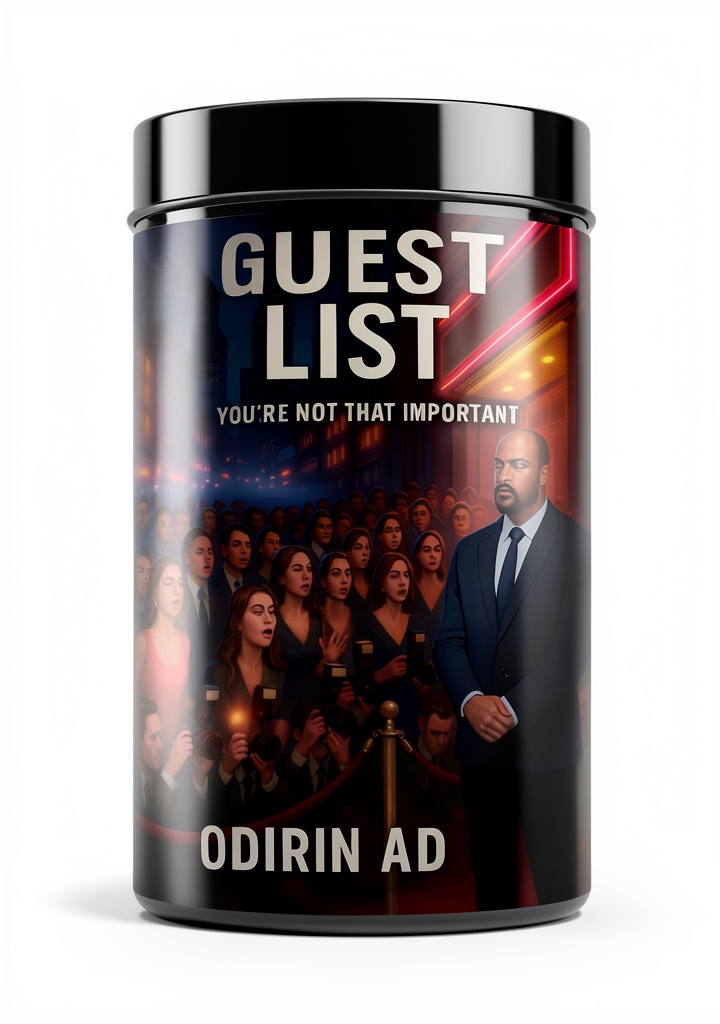 Pop Culture Magazine Kindle Edition displayed on various devices during real-world usage” />
Ease of Use
The accessibility features are where this product genuinely shines. I tested the screen reader compatibility with VoiceOver on iOS and TalkBack on Android, and both worked seamlessly. The content flows logically, images have appropriate alt text (when present), and the navigation between articles doesn’t confuse the assistive technology.
For readers without visual impairments, the page flip functionality is useful but not revolutionary—it’s essentially a slightly more visual version of standard Kindle navigation. The table of contents is properly linked, making it easy to jump between articles, which is valuable when you want to revisit a particular piece.
Durability & Reliability
As a digital product, physical durability isn’t a concern, but content longevity is. The magazine suffers from the same issue as most periodicals: it’s highly time-sensitive. Reading about July 2025 pop culture trends in August 2025 might still be relevant, but by 2026, most content will feel dated.
The DRM protection means you can’t easily export or archive content for long-term reference. If you’re the type of reader who likes to build a personal library of reference material, this limitation is significant. For casual entertainment, it’s less of an issue.
Pros & Cons
Pros:
- Genuinely accessible design that goes beyond checkbox compliance
- Well-optimized for Kindle devices with proper formatting and typesetting
- Perfect length for short reading sessions without feeling insubstantial
- Current content that reflects genuinely timely trends
- Smooth navigation between articles and sections
Cons:
- Limited long-term value due to time-sensitive nature of content
- Inconsistent article depth—some pieces feel substantial while others are surface-level
- Premium price per page compared to subscription alternatives
- Minimal advantage over free online content for readers not needing accessibility features
- Word Wise feature adds little value given the generally accessible language level
Comparison & Alternatives
Cheaper Alternative: Online Pop Culture Sites
Sites like Vox Culture, The Ringer, and even curated sections of larger publications offer similar content for free. The trade-off is significant: you lose the optimized reading experience and accessibility features. You’re also dealing with ads, inconsistent formatting, and the temptation of endless scrolling. If budget is your primary concern and you don’t need accessibility support, free online content delivers similar information at zero cost.
Premium Alternative: Annual Magazine Subscriptions
Publications like The New Yorker, Atlantic, or dedicated culture magazines like PopMatters offer deeper analysis, more diverse content, and long-term value through their digital subscriptions. The cost per issue is typically lower with subscriptions, and you’re building a reference library rather than consuming disposable content. The trade-off is higher upfront cost and more demanding reading time commitment.
When to choose each:
- Choose this Kindle magazine if you value accessibility, want a curated reading experience without ads, and prefer consuming content in defined sessions
- Choose free online content if budget is tight and you’re comfortable with less structured reading experiences
- Choose subscription services if you’re a serious culture enthusiast wanting deeper analysis and long-term reference value
Buying Guide / Who Should Buy
Best for beginners: If you’re new to digital magazines or pop culture reading, this product offers a gentle introduction. The length isn’t intimidating, the content is accessible, and the features enhance rather than complicate the experience. It’s also excellent for readers who primarily consume on Kindle devices and want content optimized for that platform.
Best for professionals: Content creators, social media managers, or anyone needing to stay current with trends will find this useful as a quick update tool. The timely content provides talking points and context, though the analysis depth may be insufficient for professional research needs.
Not recommended for: Serious collectors, academic researchers, or readers seeking enduring reference material. The time-sensitive nature means it loses value quickly, and the DRM restrictions prevent archiving. Also not ideal for readers who primarily use smartphone apps, as many of the reading experience advantages diminish on small screens.
FAQ
Is this magazine worth $9.49 for 51 pages?
This depends entirely on your reading habits and values. If you regularly read during short breaks and value ad-free, optimized content, the price is reasonable for the convenience. If you’re an occasional reader who doesn’t mind free online content with ads, it’s harder to justify. Consider that similar print magazines often cost $5-8 per issue with more pages, but lack the digital convenience features.
How current is the content given the July 2025 publication date?
The content reflects trends and releases current around that date. For the first 2-3 months, it will feel timely. Beyond that, relevance declines significantly. This isn’t a product you buy for long-term reference—it’s contemporary entertainment with a limited shelf life.
Does the screen reader support work on all devices?
I tested with iOS VoiceOver, Android TalkBack, and Kindle devices with VoiceView, all working properly. The key is that the publisher has implemented proper document structure and alt text for images, which isn’t always the case with Kindle periodicals.
Can I share this magazine with family members?
Standard Kindle sharing limitations apply. You can’t simultaneously read on multiple devices with the same account, and family sharing depends on your Amazon household settings. Unlike physical magazines, you’re essentially buying a single-user digital license.
How does this compare to free pop culture content online?
The main advantages are the lack of ads, optimized reading experience, and accessibility features. If those don’t matter to you, free online content delivers similar information. If you struggle with cluttered websites or need screen reader compatibility, this product provides significant quality-of-life improvements.


 Tgoon ZVS Driver Board Voltage Induction Module 30kHz-50kHz
  Treela Dental Cotton Rolls Soft Absorbent Multi Purpose
  Richmond Dental Cotton Rolls 100 Cotton Medical Grade
  Pearson Dental Cotton Rolls Sterile Absorbent Dental
  Recipe Notebook Ceiba Tree Faux Leather Pink
  Presence News Pop Culture Magazine Kindle Edition English
  Ziv FC120-5B 120 Film Storage Canister 5 Rolls Light‑Proof Organizer